
Eat out like you know the place.
The questions worth asking, the answers restaurants assume you already have — written plainly, with no upselling and no hedging.
Cooking at home
Technique, equipment, and shopping
Kitchen equipment worth the money, and the gadgets that are not
Spend where it changes results and efficiency; skip single-purpose toys that live in drawers.
4 min read
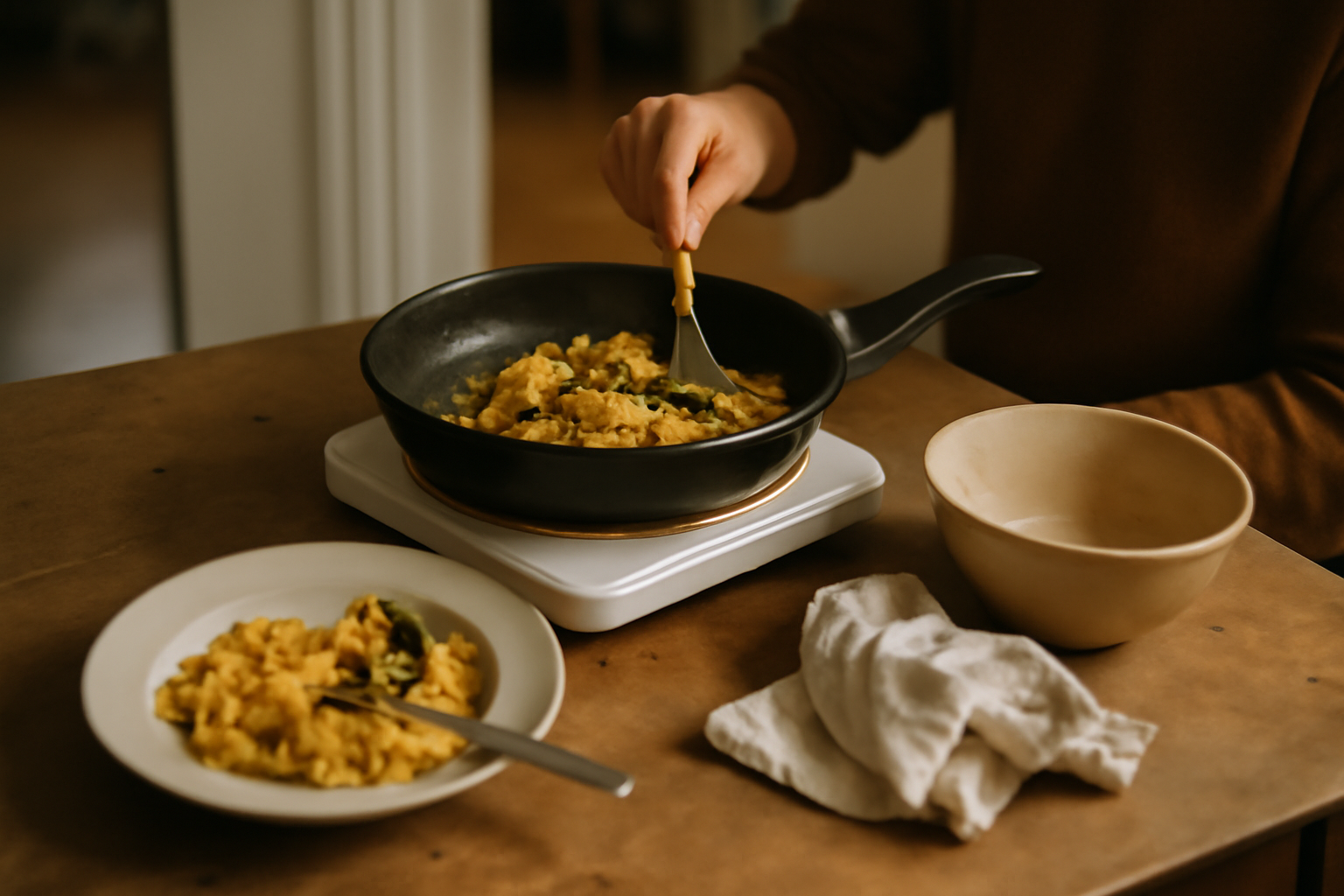
Cooking on a Single Hob
Practical strategies, exact sequences, and three one-hob recipes to get dinner on the table without juggling burners.
6 min read
Timing a meal so everything is ready at once
Plan backwards from the moment you want to eat, map each dish’s cook and rest time, and use three exact sentences to give the server so plates arrive together.
4 min read
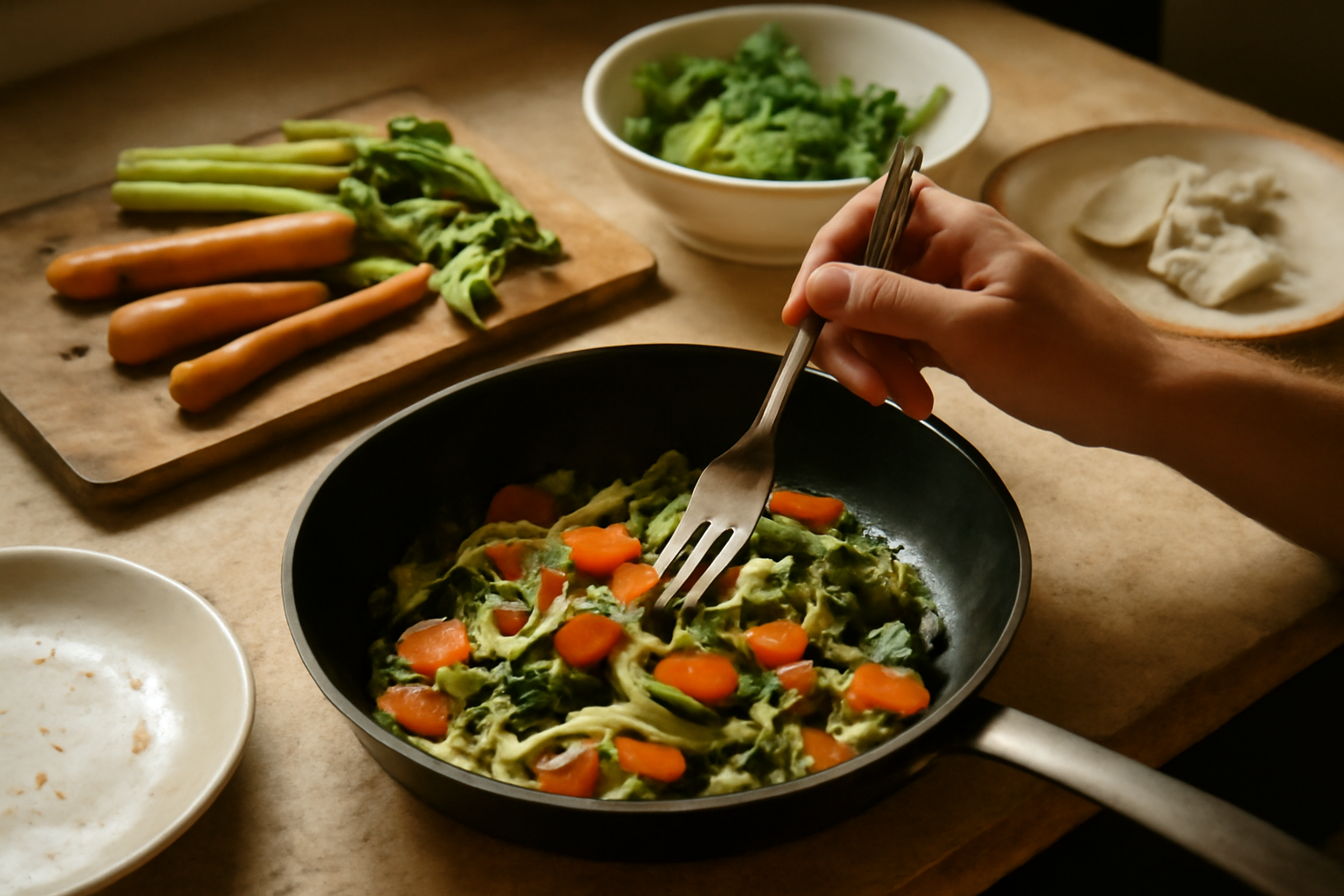
What to do with the vegetables going soft in the drawer
Practical steps to assess, revive, cook, preserve, or responsibly discard soft vegetables so nothing edible goes to waste.
5 min read
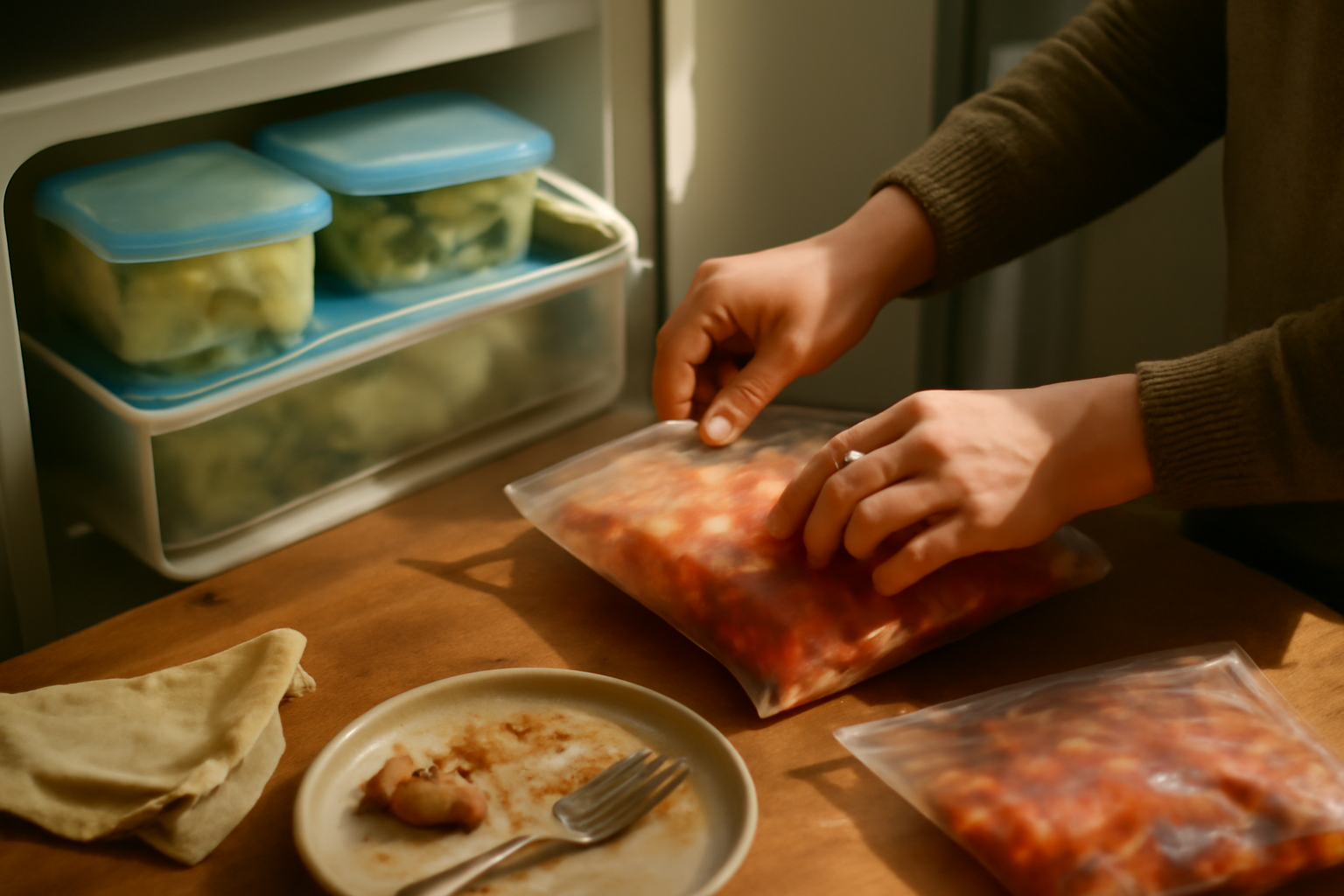
Freezing food so it is still good later
Practical, specific steps to freeze, store, and revive food so it retains safety and the best possible texture.
4 min read
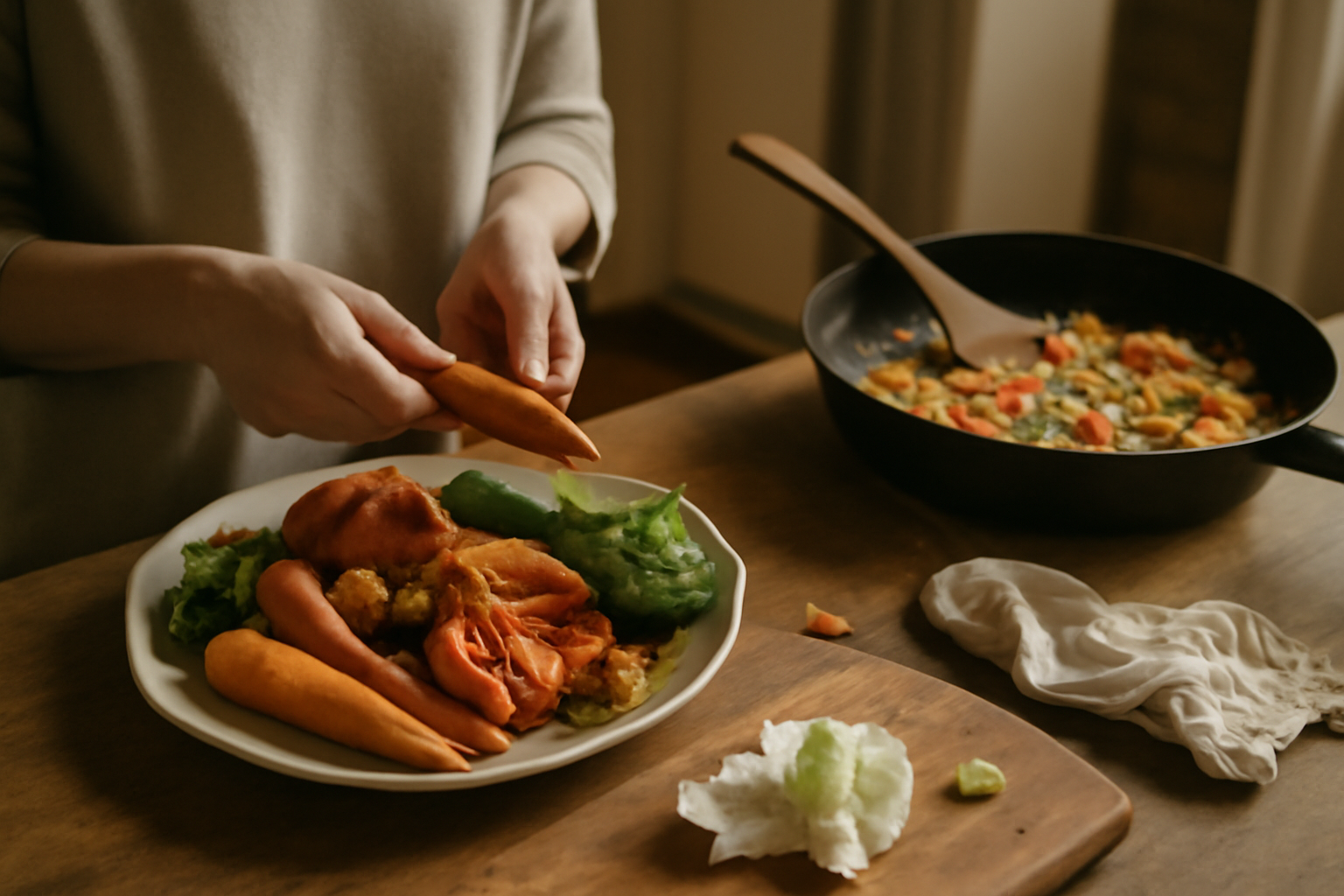
What to do with the vegetables going soft in the drawer
A practical, step-by-step guide to assessing limp vegetables, reviving what you can, and turning the rest into tasty cooked or preserved dishes.
5 min read
Reading an ingredient label
A practical, specific guide to decode ingredient lists, spot hidden ingredients, and get clear answers from restaurants and packaged-food makers.
5 min read
Substitutions that work, and the ones that do not
Clear rules to know which ingredient swaps keep a dish intact, which will change it entirely, the exact sentences to say to staff, and what a good vs bad answer sounds like.
5 min read
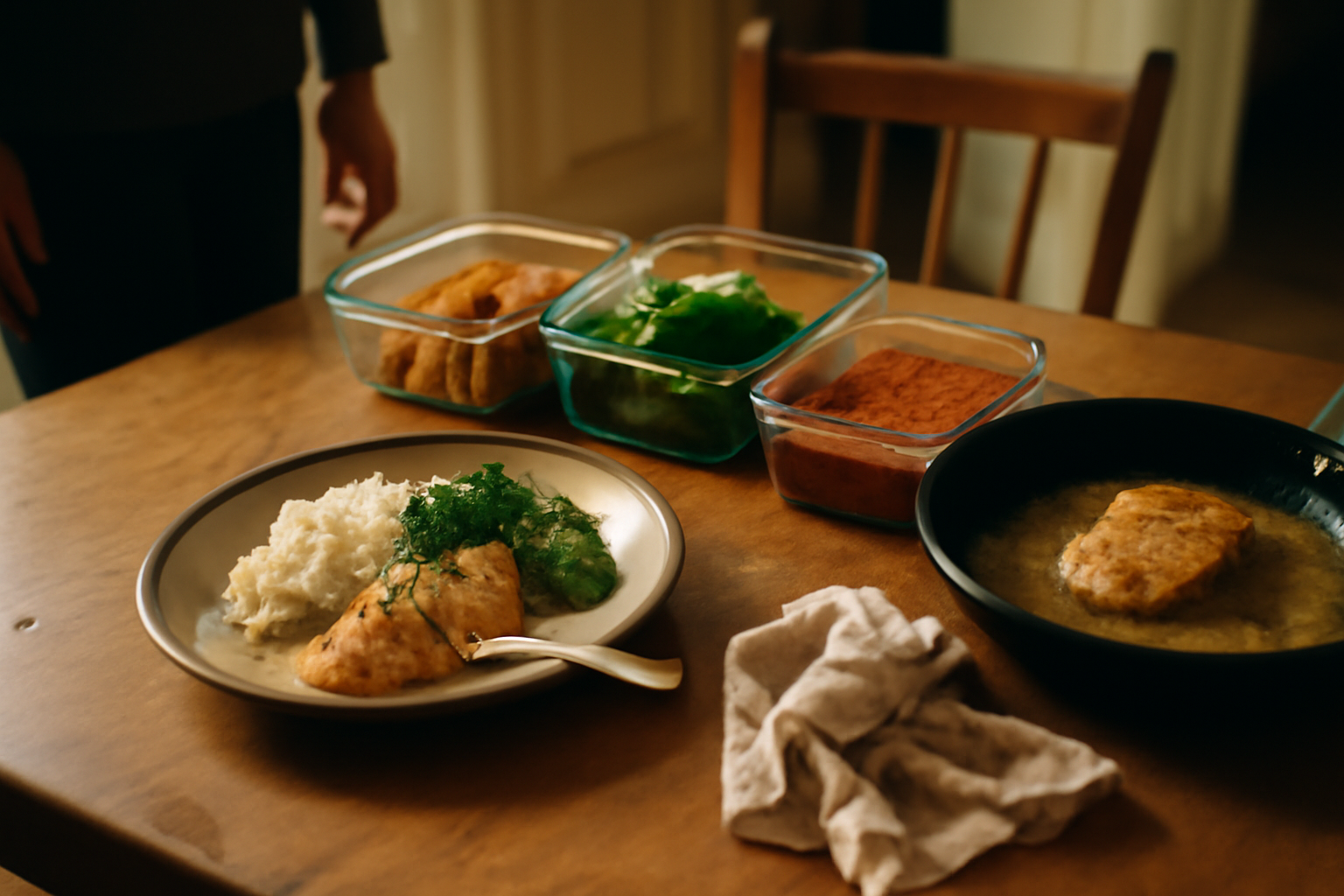
Batch cooking that does not taste like leftovers
Batch-cook smart: separate components, store correctly, and finish like a chef so meals taste fresh, not recycled.
5 min read
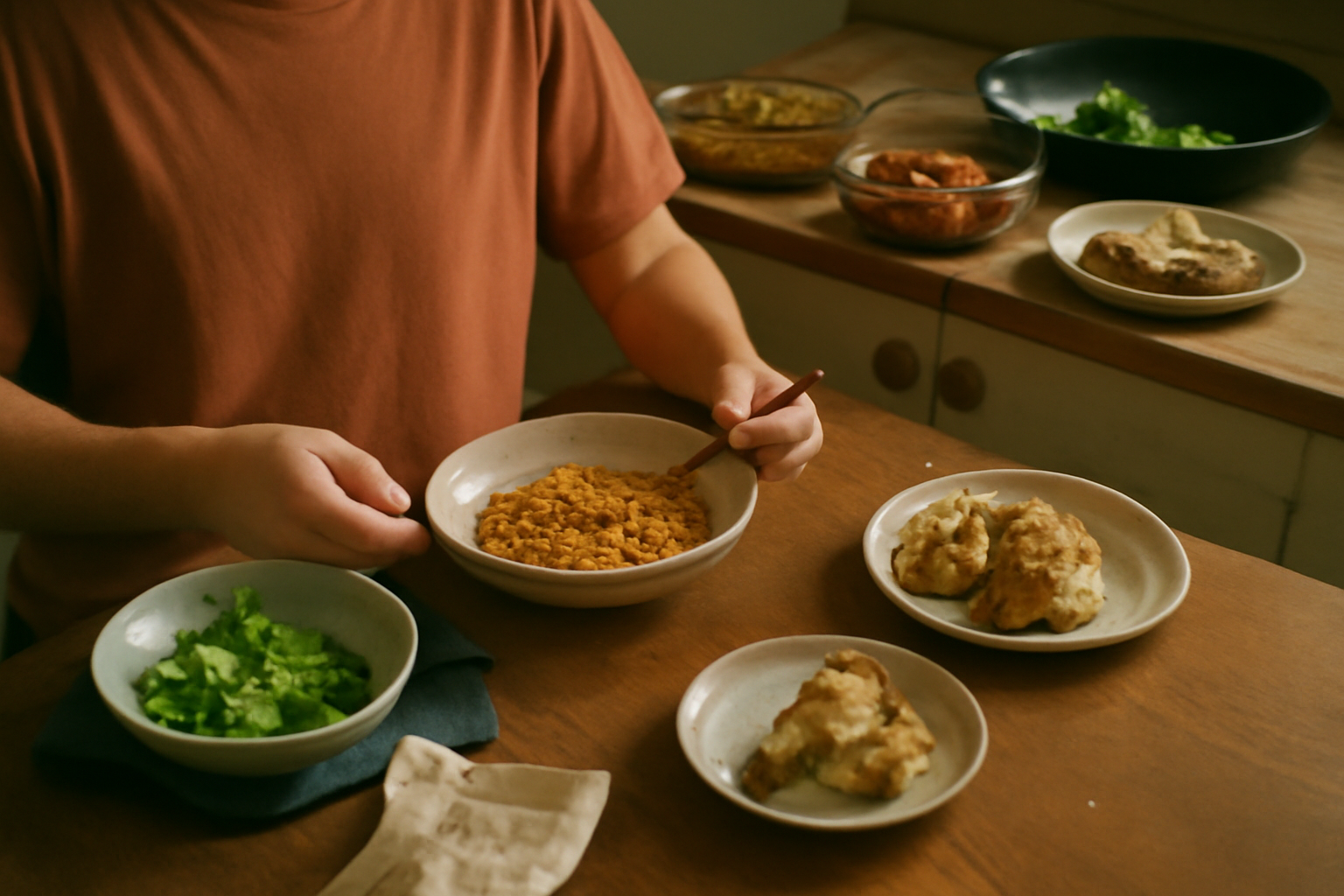
Cooking for one without eating the same thing four nights running
Use a few flexible bases, small-batch proteins, and simple transformations to get five different dinners from three cooked items in a week.
5 min read
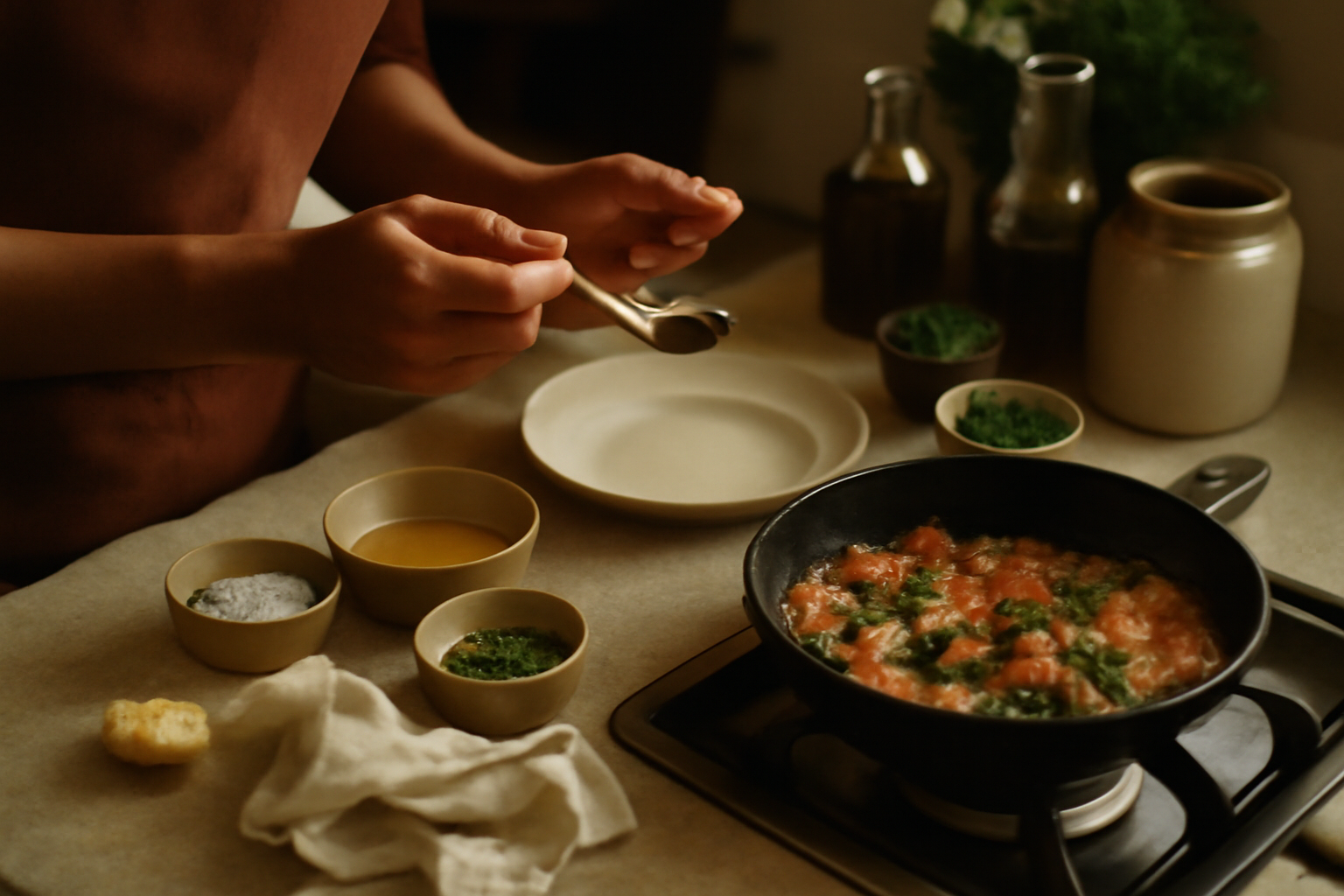
How to taste as you cook
Taste at set moments, use a small clean station, and follow a short order of adjustments—salt, acid, fat, heat, herbs—to turn a good dish into a great one.
5 min read
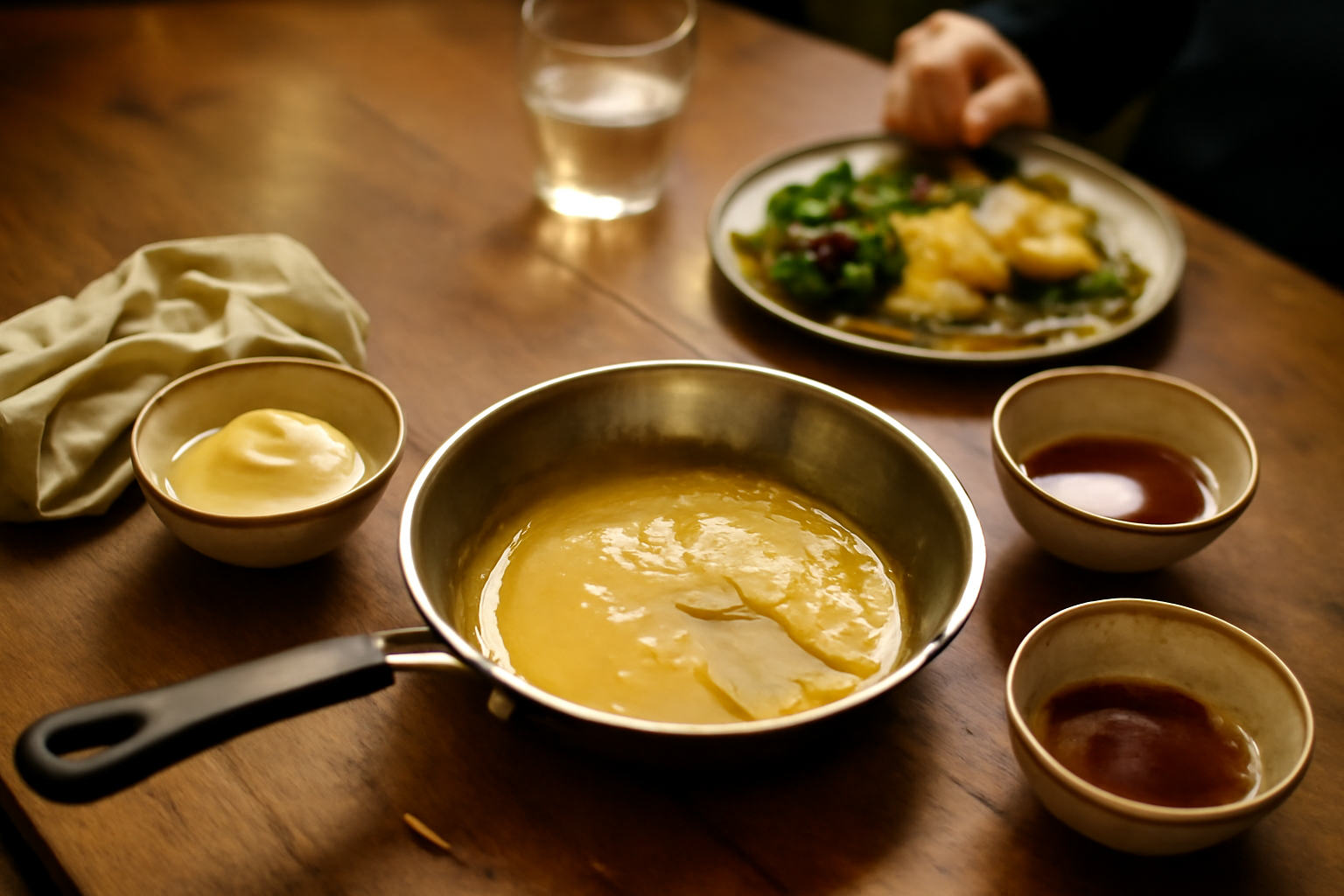
Emulsions, and why your sauce split
How emulsions work, why they break, and step-by-step fixes and preventative rules for sauces like mayonnaise, hollandaise, vinaigrettes and beurre monté.
5 min read
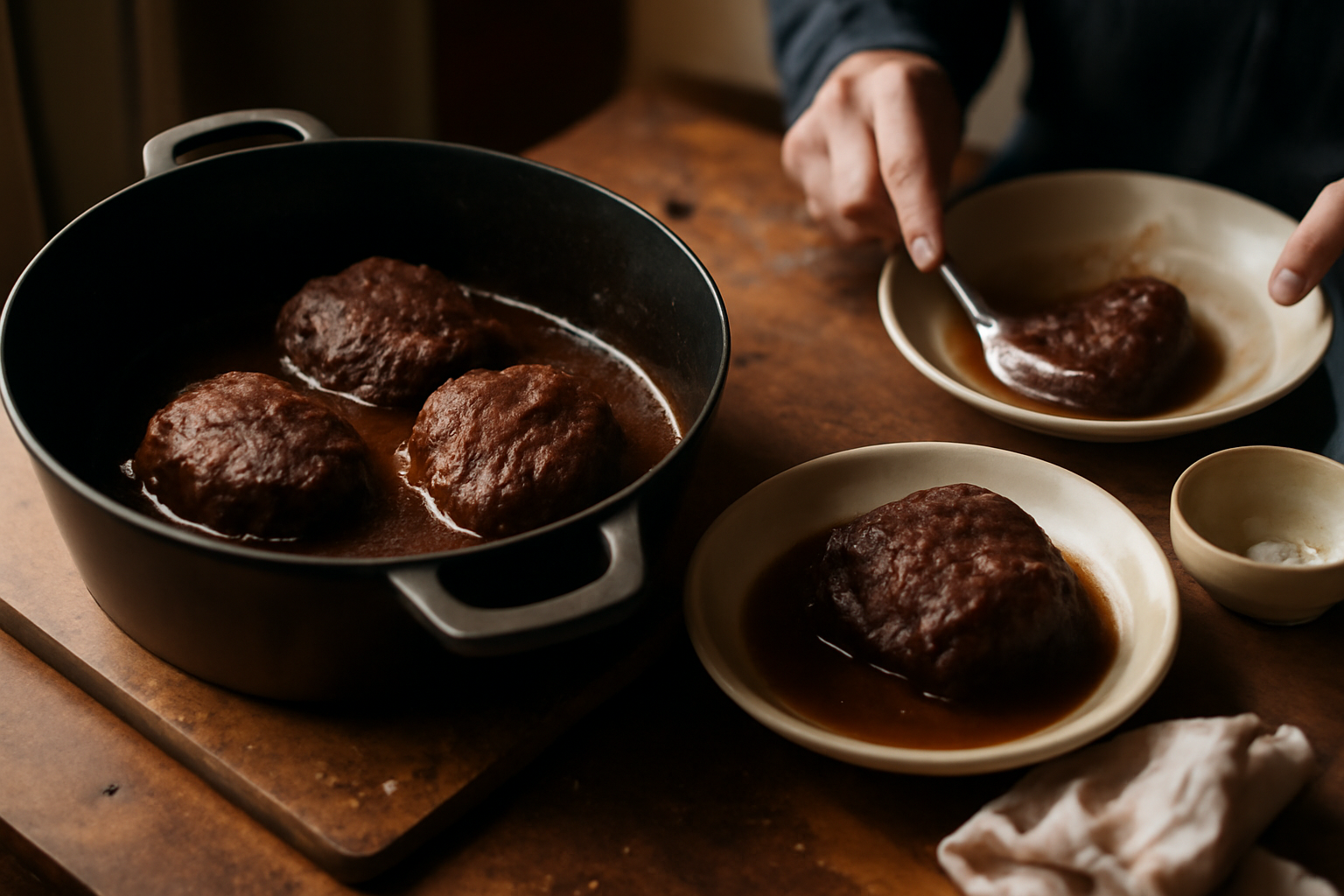
Braising: the technique that makes cheap cuts worth it
Braising turns tough, inexpensive cuts into tender, flavorful dishes by combining a hot sear, low-and-slow moist heat, and a smart finish — here’s exactly how to do it and what to ask when you’re dining out.
5 min read
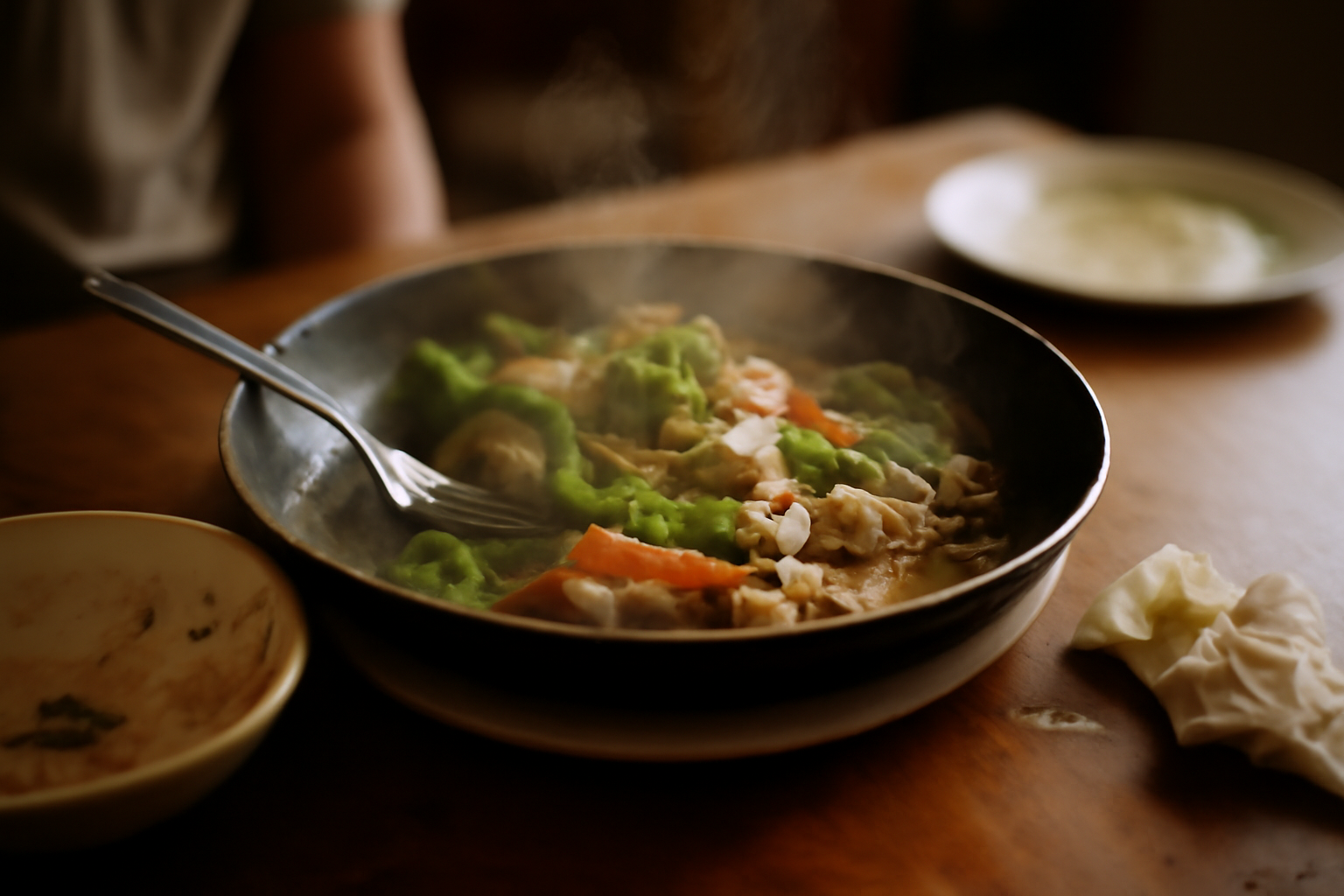
Why your stir-fry steams instead of frying
Your stir-fry turns soggy and pale because of low heat, excess moisture, crowding, or adding sauce too soon — here’s exactly what to change and the sentences to use when ordering at a restaurant.
5 min read
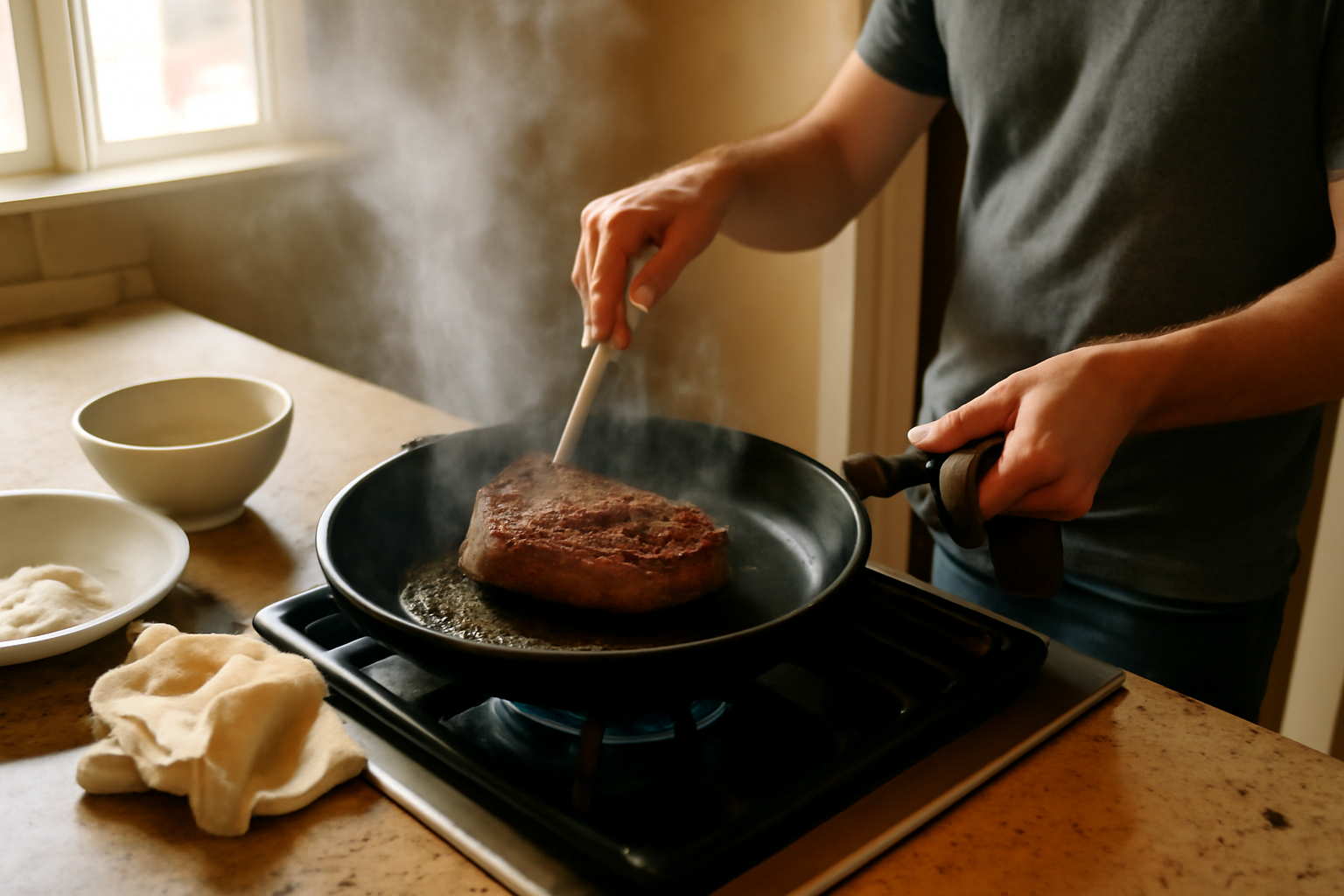
Getting a real sear without setting off the smoke alarm
Practical steps to get a deep Maillard crust at home while keeping smoke under control and detectors quiet.
5 min read
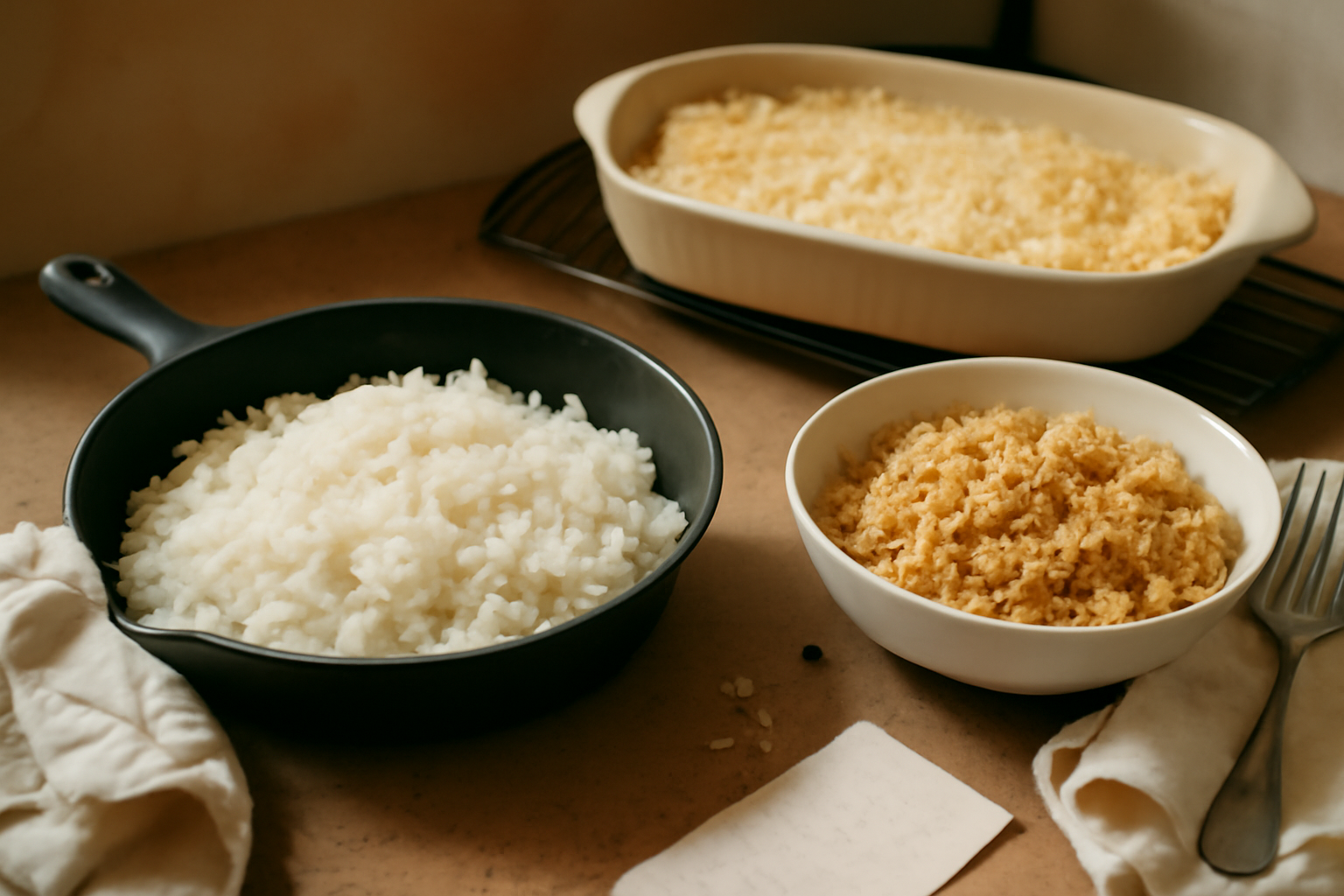
Cooking rice, properly, three ways
Three reliable methods — stovetop absorption, pilaf, and oven-baked — with exact ratios, times, and a short checklist you can use right now.
5 min read
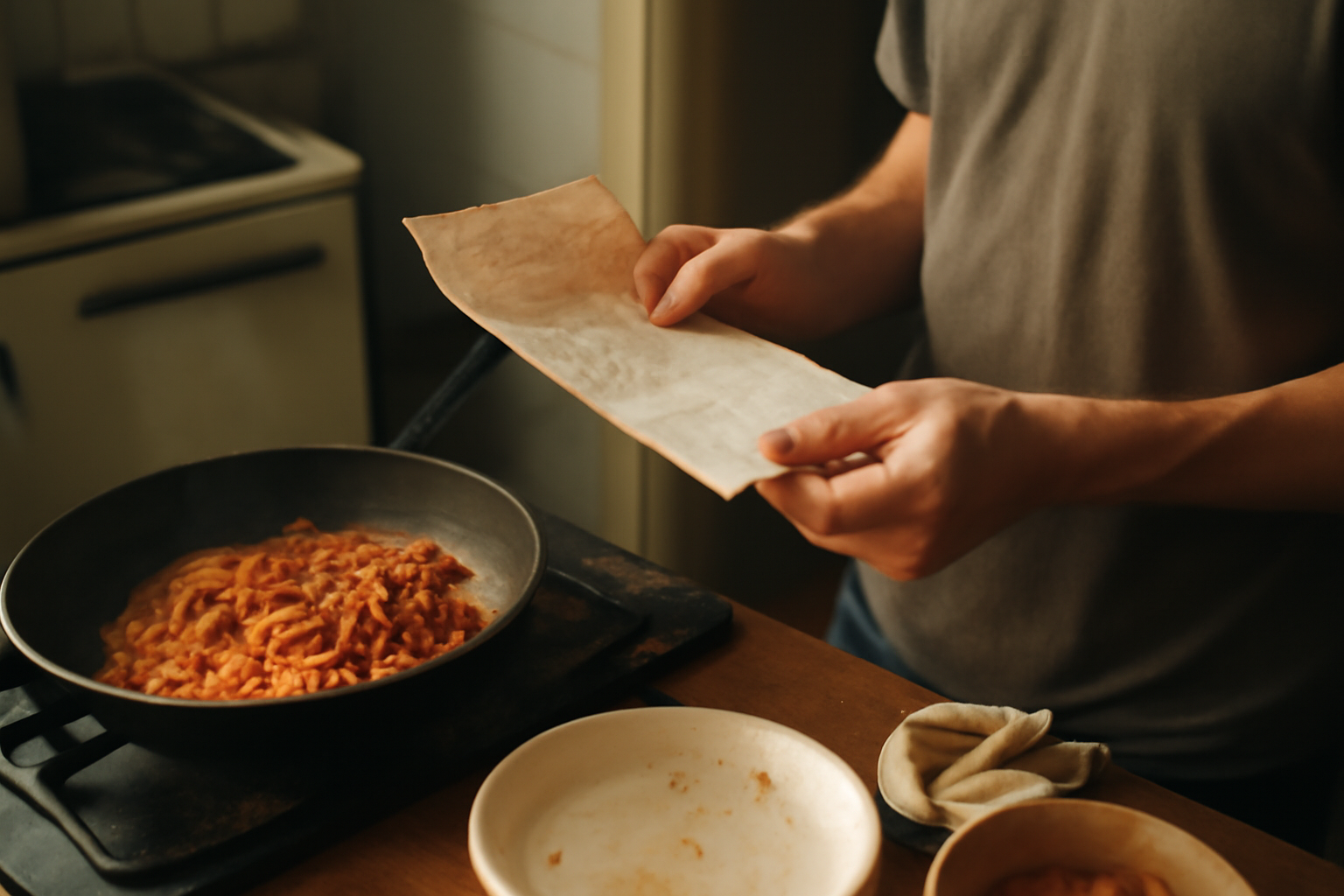
Reading a recipe before you start, and why it saves dinner
Reading the whole recipe before you touch a pan prevents late-night improvisation, missed equipment, and ruined timing—here's exactly what to check and how to plan.
4 min read
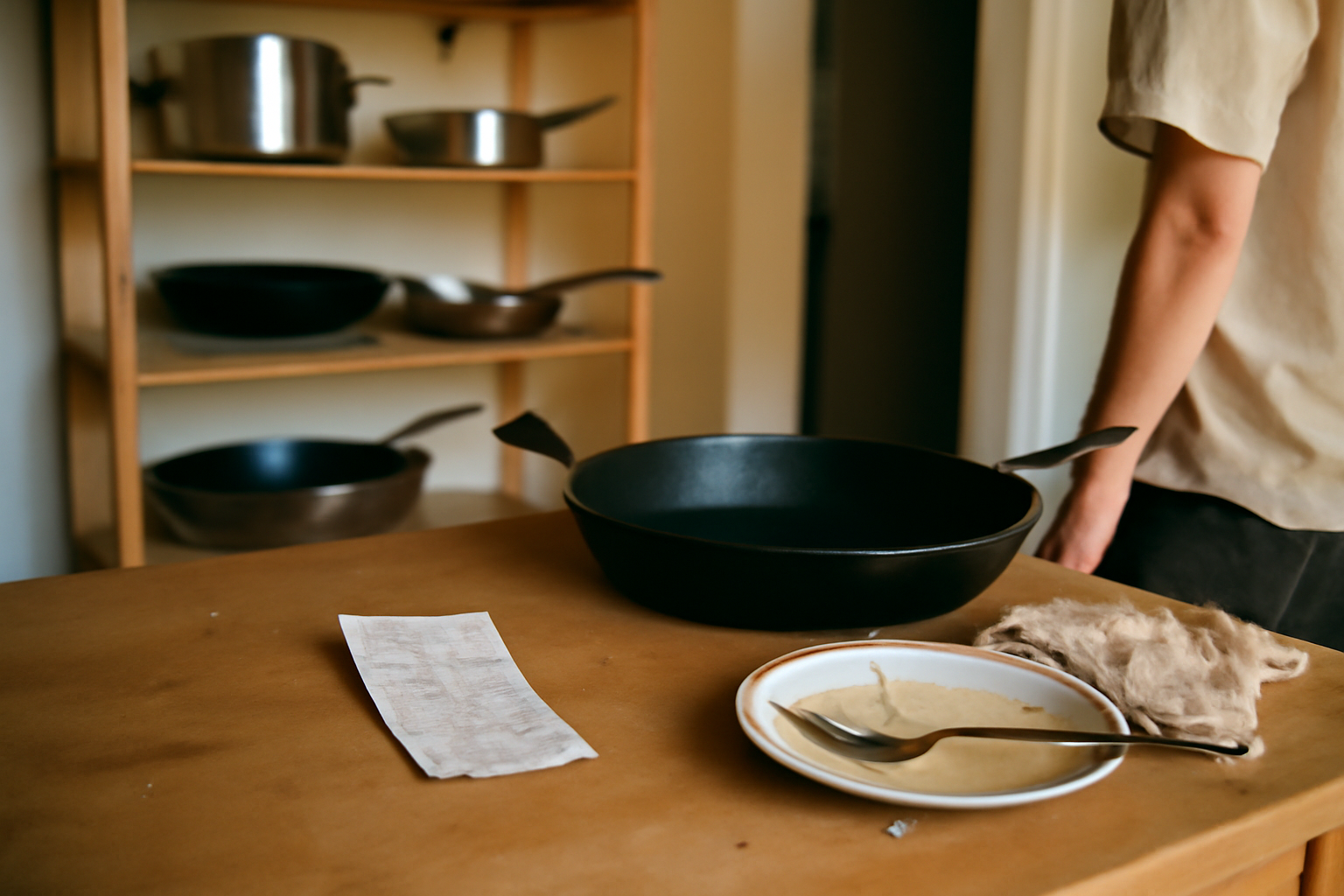
The five pans worth owning, and the ones that are not
A clear, practical guide to the five pans you should own, what to skip, how to choose materials and sizes, and exact questions to ask before you buy.
6 min read
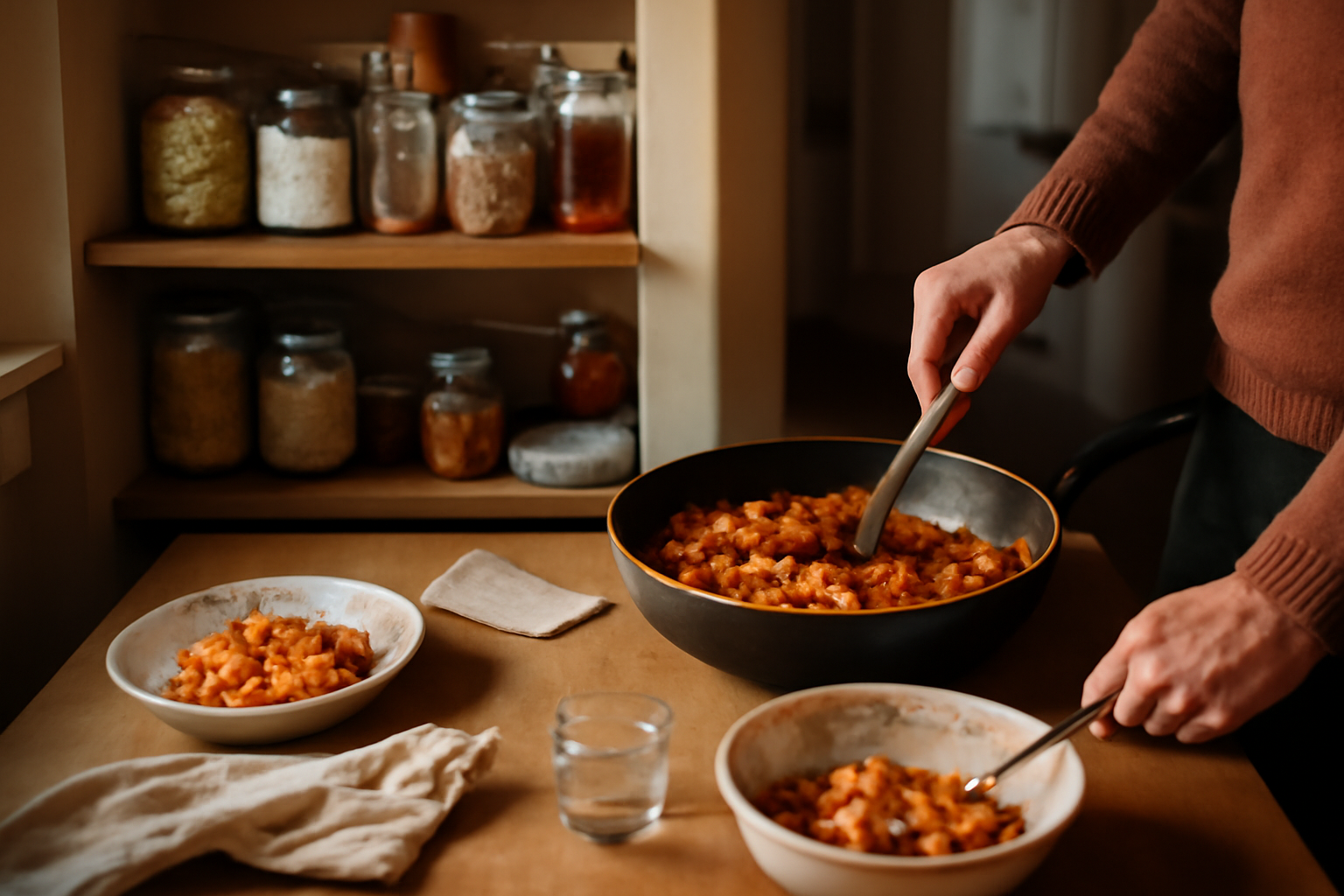
How to build a pantry that makes weeknight cooking possible
Set up a compact, predictable pantry with a handful of interchangeable staples, clear storage, and a freezer plan so you can turn on the stove and have dinner in 20–30 minutes any weeknight.
6 min read
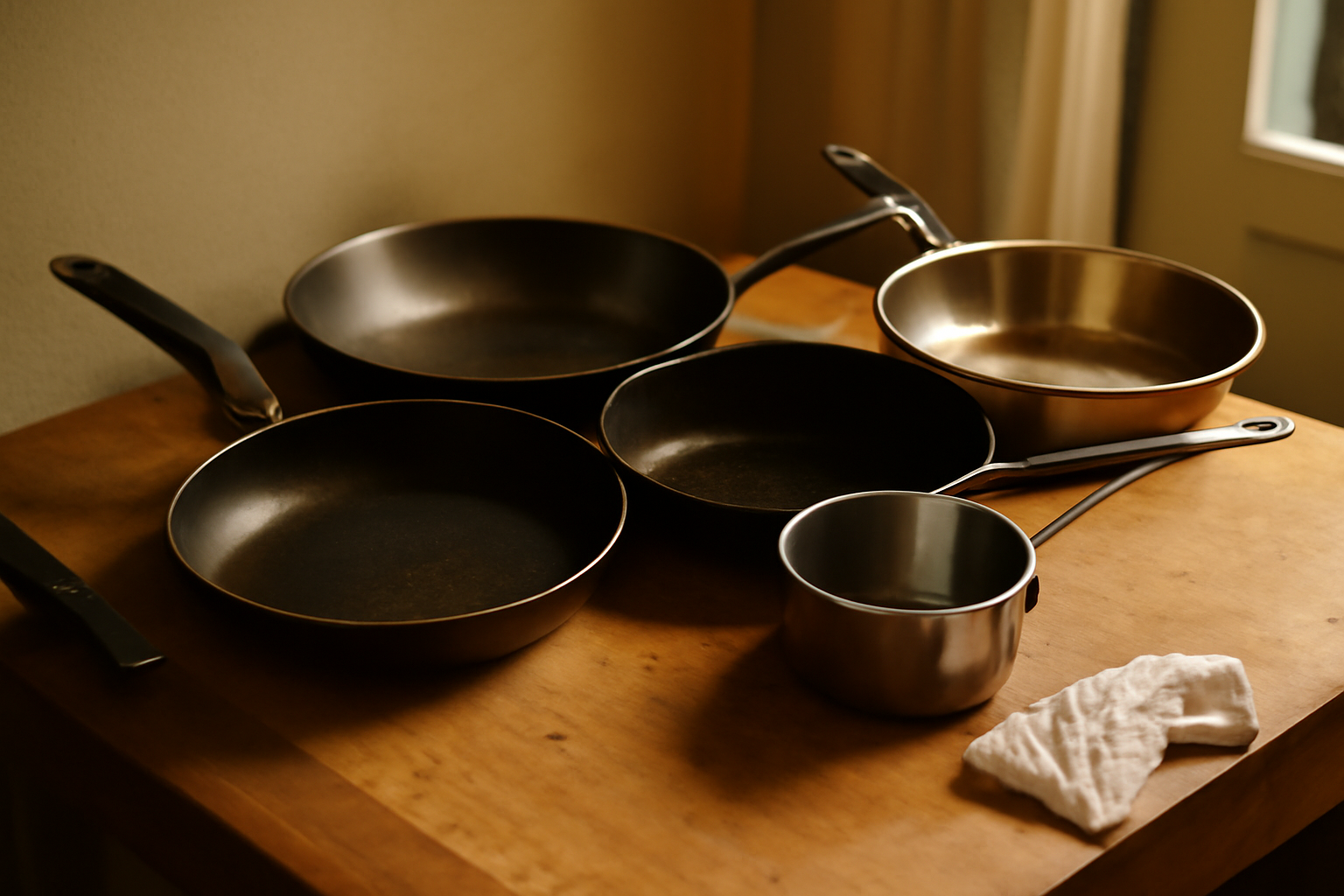
The five pans worth owning, and the ones that are not
Own these five pans and you can handle almost any home-cooking task; avoid the gimmicks that add clutter and frustrate you.
5 min read
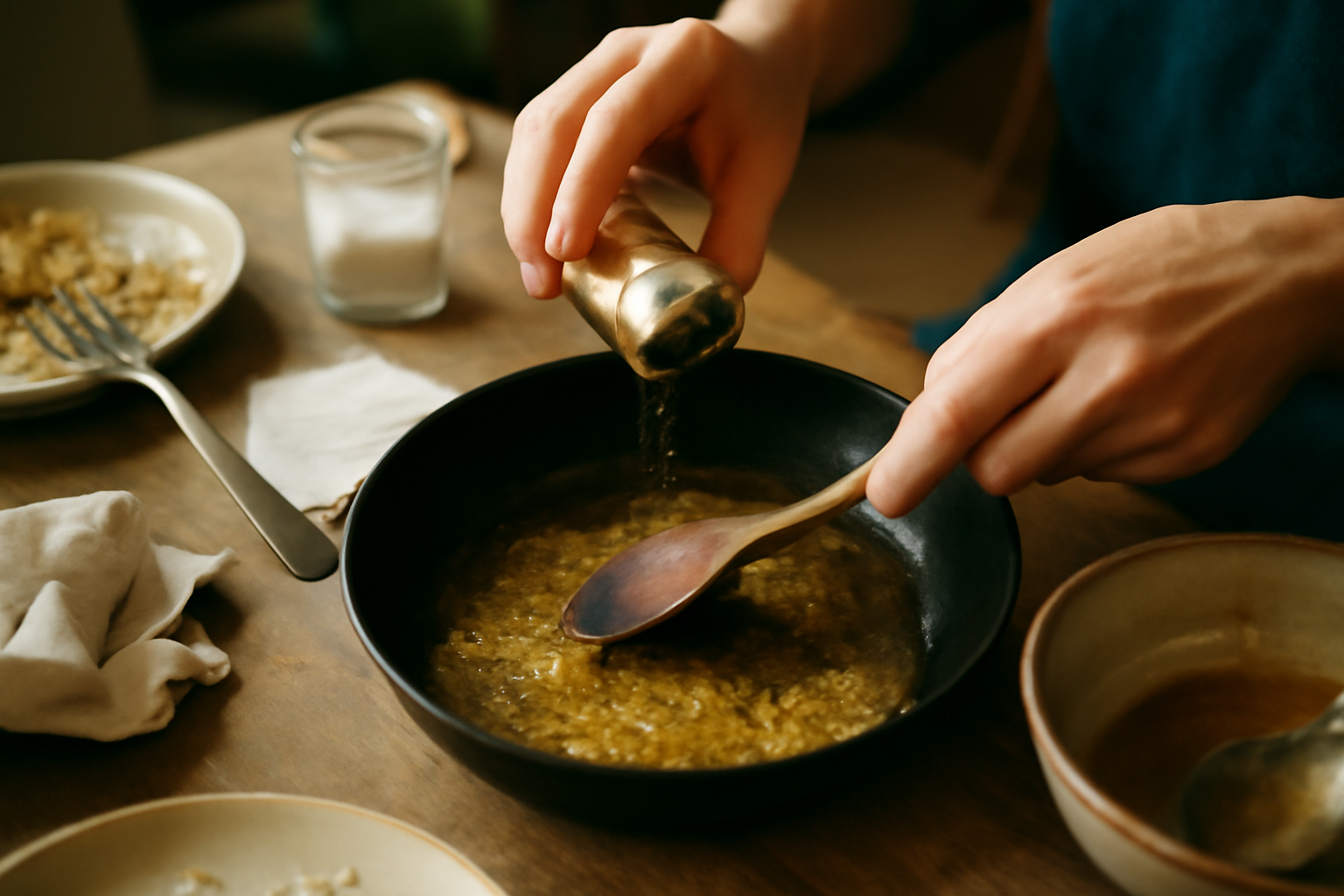
Seasoning: when to salt, and how to fix a dish that is flat
Practical rules for when to salt at every stage, exact tiny adjustments to make while you taste, and a step-by-step rescue plan when a dish tastes flat.
4 min read
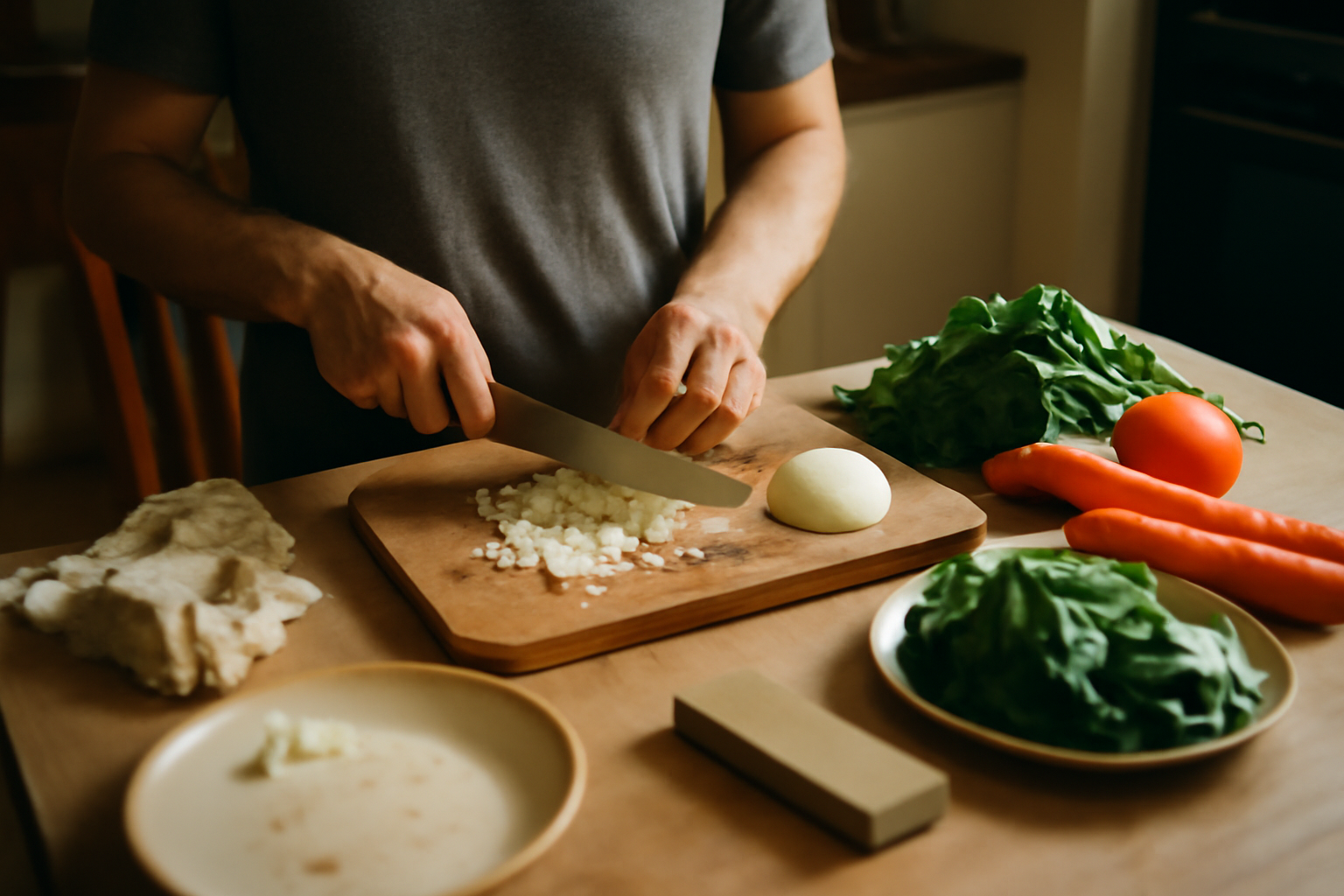
Knife skills that change how fast you cook
Learn the specific grips, cuts, sharpening angles and a 30-minute drill that together shave real minutes off meal prep.
4 min read
What 'Pass with Conditions' actually means in Chicago
A 'Pass with Conditions' (yellow) result means an inspector found at least one high-risk problem that was addressed or must be corrected on a short timetable; here's what that process looks like and what operators and customers should do.
3 min read